Pine whitepaper
What should you ask your township before you build?
A practical, question-by-question guide to the zoning and permitting conversation every landowner should have with the township before committing a dollar, and how to get the answers in a form you can rely on later.
The short answer, then the real one
Before you buy anything, sit down with your township or county planning office and get answers to six questions in writing: what zoning district your parcel is in and whether your intended use is allowed there, how they classify a titled recreational-vehicle asset versus a permanent foundation structure, whether minimum-stay or occupancy limits apply, what your setbacks are, what utility and septic approvals the use needs, and what specifically triggers a building permit. Then ask the one question people forget: who has final say if there is a disagreement. Everything else in this guide is how to ask those questions well, and how to read the answers.
This is general guidance from a manufacturer that has delivered titled spaces into many jurisdictions, not legal advice. Zoning and permitting are decided locally and the rules differ block to block. Take the answers you gather here to your own municipality, county health department, and a local land-use attorney before you commit a dollar.
The reason to have this conversation early, and to have it in this order, is that the expensive mistakes in outdoor hospitality are almost never construction mistakes. They are use mistakes: a landowner falls for a parcel, orders a structure, and only then learns that the district does not allow the rental use, or that the county reads the project as a new permanent building and wants a foundation, a septic design, and a season of review. Asking first costs an afternoon. Asking last can cost a year.
Why this conversation comes before the purchase
We have watched enough of these projects to see the pattern. The people who move fast and cleanly are the ones who treated the township as the first vendor they talked to, before the land, before the unit, before the loan. The people who stall are the ones who did the fun part first and the zoning part last. Land-use rules are not a formality you clear at the end; they decide whether the plan is legal at all, and they are cheaper to learn about than to fight.
There is also a practical reason to front-load it. When you walk into a planning office with specific, informed questions, you get specific answers and you are treated as someone who has done the work. When you walk in with "can I put a cabin here," you get a shrug and a brochure. The checklist below is written to make you the first kind of visitor. If you own raw land and are planning a first rental, this is also the moment our guidance for landowners and new operators is built around.
Start with the zoning district and its allowed uses
Zoning is the master key, so start there. Every parcel sits in a zoning district, and each district carries a list of uses that are allowed by right, allowed with conditions, or not allowed at all.[1] Your first two facts to nail down are simple to state and easy to get wrong: which district is my parcel in, and is the use I intend, a short-term rental, a seasonal cabin, a small campground, on the allowed list for that district.
The word "use" is doing heavy work there. Planners regulate what you do on the land, not only what you place on it, so the relevant question is never "can I put a cabin here." It is "can I operate a short-term rental in this district," which is a different question with a different answer. A district may welcome the structure and still prohibit the rental, or allow the rental only as a conditional or special use that needs its own hearing and approval. Ask which of the three categories your use falls into, because a conditional use is a process, not a yes, and you want to know that on day one.
While you have them, get the dimensional rules for the district: minimum lot size, and the setbacks you must hold from every property line, from the road, and from any water, wetland, or slope. Setbacks quietly decide where a space can actually sit, and on a wooded or waterfront lot they often matter more than the acreage. Waterfront parcels in particular tend to carry an extra layer of shoreland or riparian rules on top of the base district, so ask specifically about the water setback rather than assuming the standard number applies.
How the structure is classified decides most of the rest
Once the use is clear, the next fork is classification, and it drives more of your outcome than any other single answer. Broadly, a jurisdiction will see your structure as one of two things: a permanent building, which is real property built on a foundation and assessed with the land, or a titled recreational-vehicle asset, which the state treats as movable equipment that is titled like a vehicle rather than recorded against the land.
That distinction is not a marketing frame; it is how motor-vehicle agencies actually classify these structures. The national association of motor-vehicle administrators' policy on park model recreational vehicles treats them as vehicles built on a single chassis and titled by the state, not as manufactured homes,[2] and state motor-vehicle agencies publish the titling process for them.[3] A Pine space is delivered finished and is built and titled as movable equipment on a steel chassis, which is why the classification question is worth pressing: it changes which office reviews your project, how it is taxed, and which permits attach.
So ask your township and your assessor directly, and in these words: will you classify a titled recreational-vehicle asset as real property or as personal property. The honest, useful version of the answer is often "it depends on how it is installed," which is exactly why the way a space is connected matters so much, and why we cover the connection question in the off-grid utilities guide and the tax and property-status side in how a titled asset is treated differently from real property. For the category itself, our park models page lays out where a delivered, titled space sits relative to the traditional park-model path.
The questions to ask, in the order to ask them
Bring this list to the meeting. It is ordered so each answer sets up the next, and it is written so you can hand it across a counter and take notes in the margin. Ask who you are speaking with and whether they are the person authorized to give a binding answer, then work down.
- Zoning district. What zoning district is this exact parcel in, by its legal description or parcel number, not by the neighborhood.
- Allowed use. Is my intended use, name it plainly (short-term rental, seasonal cabin, campground, lodging), allowed by right, allowed as a conditional or special use, or not allowed in this district.
- Classification. How will you classify a titled recreational-vehicle asset that is delivered finished and not placed on a foundation: as a permanent structure or as movable personal property, and does the answer change based on how it is connected.
- Building-permit trigger. What specifically triggers a building permit here, and does simply siting a titled, movable space trigger one. A permit is generally required to construct, enlarge, alter, or move a permanent structure, with a published list of exemptions, so ask exactly which side of that line a delivered space falls on.[4]
- Utilities and septic. What utility approvals does the use require, and what does the county health authority require for wastewater: a septic design and permit, a holding tank on a service schedule, or a connection to an existing system. Onsite wastewater is regulated at the state and local level, so this is a health-department question, not a planning question.[5]
- Setbacks and dimensions. What are the setbacks from each property line, the road, and any water or wetland, and is there a minimum lot size or maximum lot coverage for this use.
- Occupancy and minimum stay. Are there occupancy limits, minimum-stay rules, a cap on rental nights, a licensing or registration requirement for short-term rentals, or a lodging or occupancy tax to collect.
- Process and timeline. If any of the above needs an approval, what is the application, what does it cost, how long does it take, and does it require a public hearing.
- Final authority. Who has final say on each of these, and what is the appeal path if I disagree with a determination.
You will not always get a clean answer to every line in one visit, and that is fine. The point of the list is to surface the questions that have real teeth, classification, allowed use, and the permit trigger, before you have money committed to a specific parcel or a specific space.
Get every answer in writing, and find out who has final say
A friendly verbal "that should be fine" from a front counter is worth nothing when a different official reviews your file six months later. Zoning and permitting are administered by people, and people rotate, forget, and disagree. So the discipline that protects you is boring and absolute: get every material answer in a form you can point to later. An email from the planner that restates your question and gives the answer is often enough. A zoning verification letter, a written use determination, or a note in the file is better. Ask for it explicitly, and keep it with your closing documents.
Ask, just as explicitly, who holds final authority on each question, because the counter staff, the zoning administrator, the planning commission, the board of appeals, and the county health authority do not all decide the same things. When you know who owns a determination, you know whose answer to get in writing and whose desk a dispute lands on. That single question, "who has final say here," has saved more of the projects we have watched than any other.
What the delivered-and-titled path changes, honestly
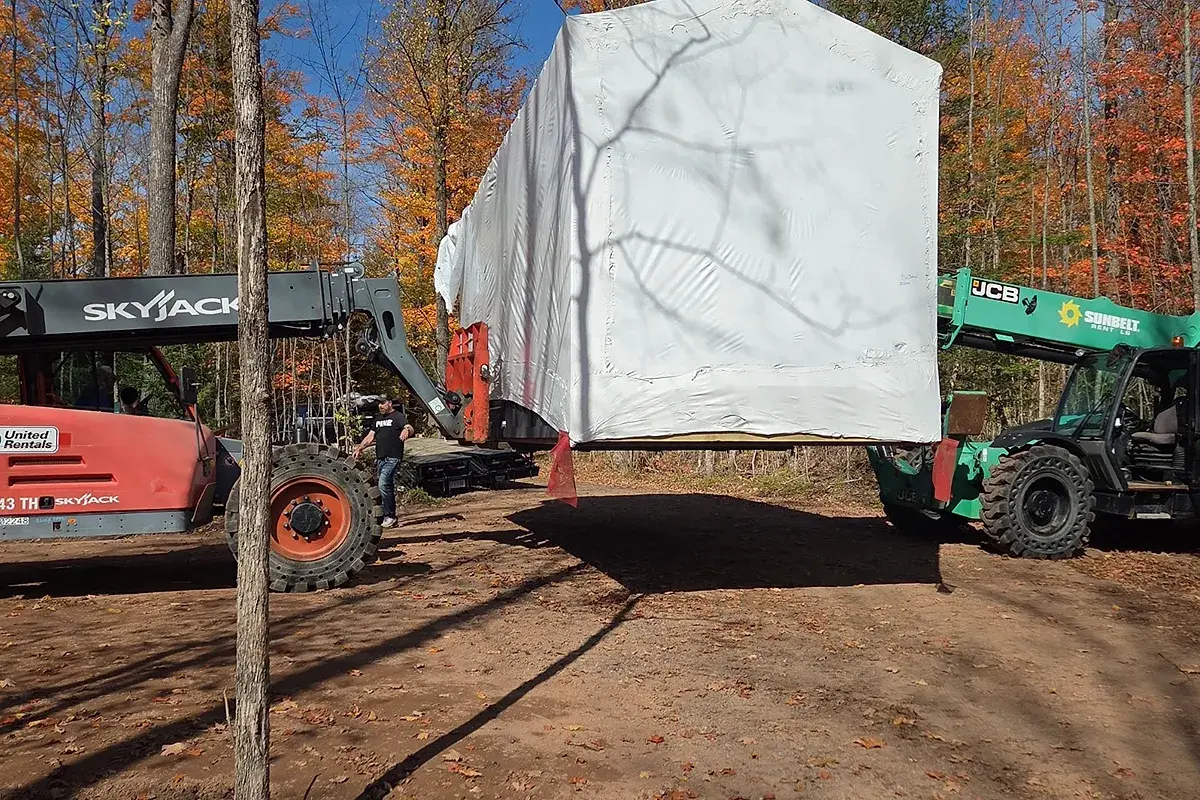
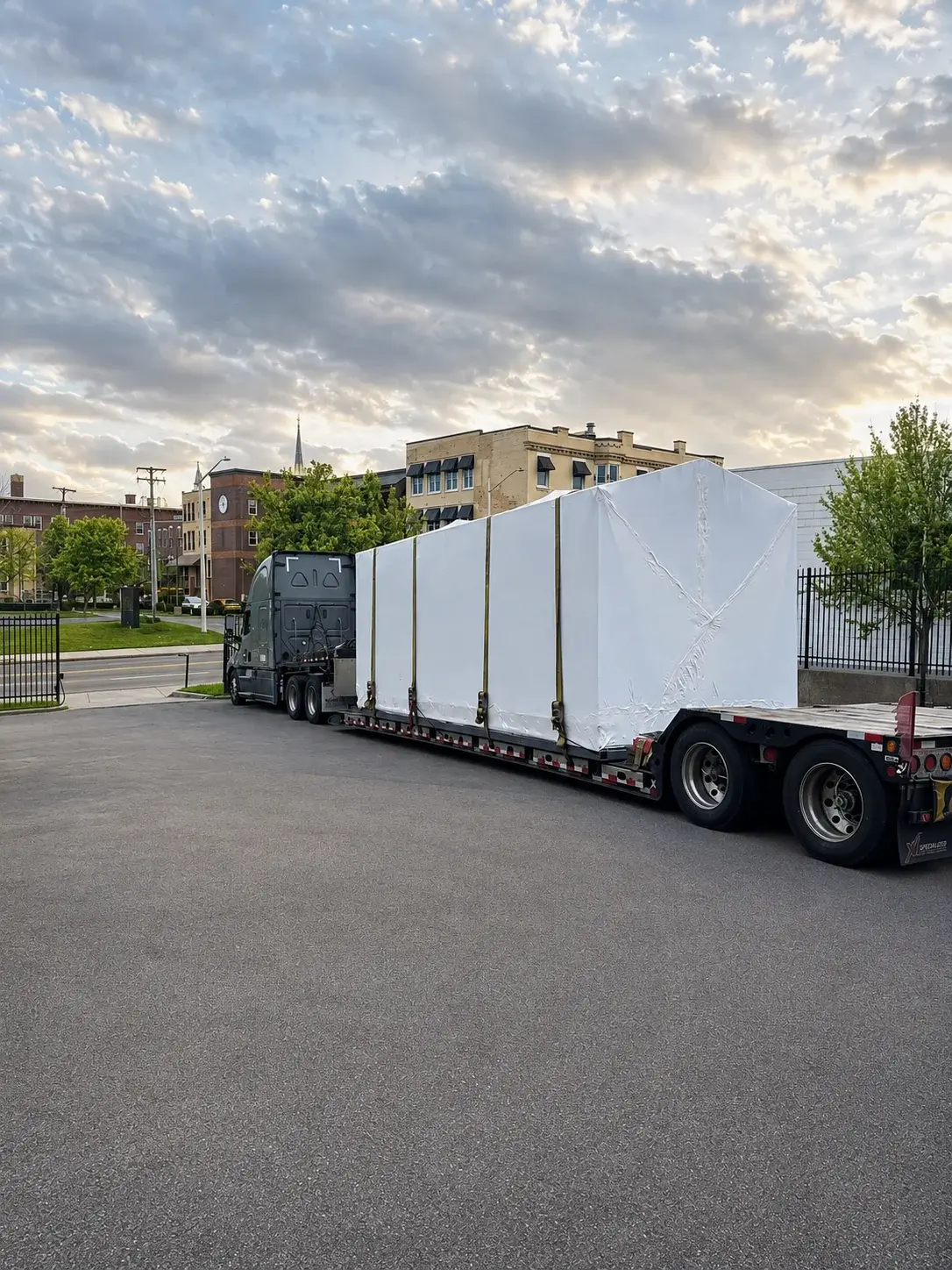
Here is the honest version of why this path exists, with the limits attached. The triggers that turn a rental project into a construction project, pouring a foundation, building on site, and earning a certificate of occupancy for a new permanent building, are events that a delivered, titled space often does not create, because the space is not built on the land. It arrives finished and is titled as movable equipment on a steel chassis, and it connects the way a recreational vehicle connects. Where a jurisdiction reads it that way, several of the slowest and most expensive parts of the permanent-building path simply are not on your critical path.
| Question | Permanent foundation structure | Titled, delivered RV asset |
|---|---|---|
| How it is classified | Real property, assessed with the land | Movable equipment, titled like a vehicle |
| Foundation and site build | Required, on site, over months | None; delivered finished and connected |
| Building permit for the structure | Typically required to construct the building | Often not the trigger; siting a titled space is a different event |
| How fast capacity can change | Fixed once built | Can be added or repositioned as titled inventory |
Now the honest caveats, because they matter as much as the table. First, classification is a local determination, and a jurisdiction can read the same space differently depending on how permanently it is connected, so how you hook it up can change how it is treated. Second, and this is the one landowners most often miss: the title answers what the object is, but zoning still governs what you may do on the parcel. A township that classifies your space as a vehicle can still regulate or prohibit the rental use through its zoning, its short-term-rental rules, or a conditional-use requirement. The movable, titled approach removes construction and foundation triggers; it does not remove the land-use conversation. Both have to clear. And third, some districts limit or prohibit living in or renting a recreational vehicle on a parcel regardless of its title, which is exactly why the allowed-use question sits so high on the checklist. The local jurisdiction always has the final say. Our job is to make sure you ask the right questions before you find out.
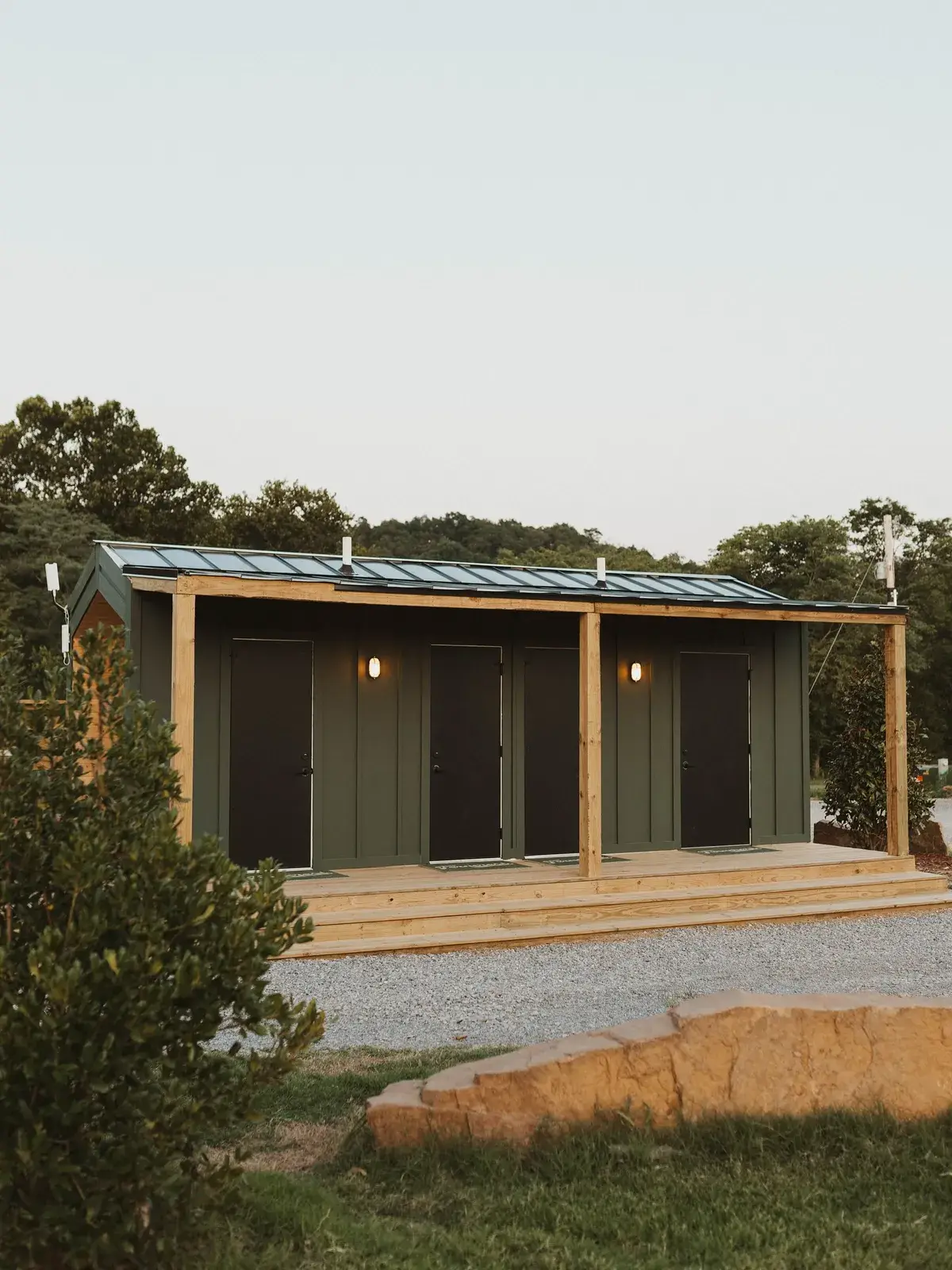
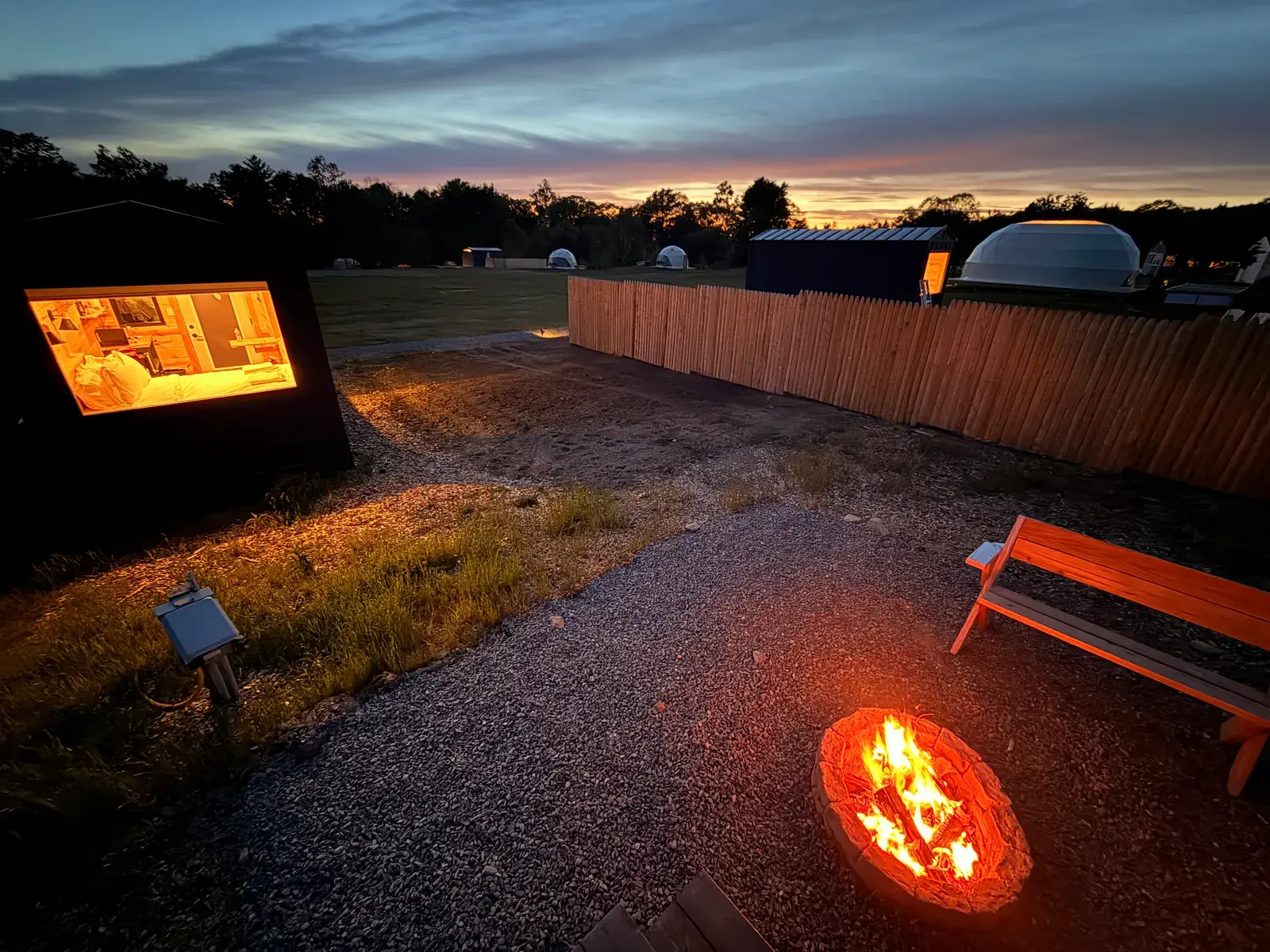
If it helps to picture the finished object as you have these conversations, our mobile cabins page shows what actually shows up on the truck, and what it costs to add capacity this way is worked through in the cost guide.
How to use this, and where it stops
Use the checklist as a script for a real meeting, not as a substitute for one. Take it to your planning office and your county health authority, write the answers in the margins, and ask for the important ones in writing. Where an answer is unclear or a determination goes against you, that is the moment to bring in a local land-use attorney who knows your municipality, not the moment to guess. The cost of an hour of that advice is trivial against the cost of a stalled season.
What this guide cannot do is tell you the answer for your parcel, because there is no national answer. Zoning districts, permitted uses, setbacks, minimum-stay rules, septic requirements, and building-permit triggers are all set locally and they change. Pine does not provide legal, tax, or zoning determinations. What we can do is tell you, from having delivered into a lot of different jurisdictions, which questions actually decide the outcome, so you walk into that first meeting already knowing what to ask. When you are ready to line the answers up against a specific configuration and a delivery to your address, Build & Price is where that starts.
Frequently asked questions
- What should I ask my township before building a rental cabin?
- Ask six things, and ask them in this order: what zoning district the parcel is in and whether a short-term rental or seasonal-lodging use is allowed there, how the township classifies a titled recreational-vehicle asset versus a permanent foundation structure, whether there are minimum-stay or occupancy limits, what the setbacks are from property lines and water, what utility and septic approvals the use requires, and what specifically triggers a building permit. Get each answer in writing from the person with authority to give it, and ask who has final say if there is a dispute. This is general guidance, not legal advice, so confirm everything with your municipality and a local land-use attorney.
- Do I need a building permit for a mobile cabin or bathhouse?
- Often not for the structure itself, because a Pine space arrives finished and is titled as a movable recreational-vehicle asset rather than constructed on a foundation as a new building. A building permit is generally triggered when you construct, enlarge, alter, or move a permanent structure, and delivering a titled space is a different event. That said, the site work around it, an electrical pedestal, a water connection, a sewer or septic connection, can still require its own permits, and your municipality has the final say. Confirm both questions locally before you order.
- How is a titled RV asset classified differently from a permanent structure?
- A titled recreational-vehicle asset is treated by the state as movable equipment: it is titled like a vehicle, not recorded as real property attached to the land. A permanent structure is real property, built on a foundation and assessed with the land it sits on. That distinction changes which agency reviews it, how it is taxed, and which permits attach. The classification is decided by your local and state authorities, not by the manufacturer, so ask your township and assessor how they will treat it in writing.
- Can my township stop me from putting a rental cabin on my land even if it is an RV?
- Yes, potentially, because zoning regulates the use of the land, not just the object on it. Even a titled, movable space still has to sit in a zoning district that allows the use you intend, whether that is a short-term rental, a campground, or seasonal lodging. Some districts allow it by right, some require a conditional-use or special-use permit, and some do not allow it at all. The title answers what the thing is; zoning answers what you may do on that parcel, and both have to clear.
- Do I need septic for a mobile cabin?
- It depends on the space and the property. A small single-bath space can run self-contained on onboard fresh and waste tanks serviced on a schedule, while a larger space connects to water and sewer or septic the way a recreational vehicle does. Onsite wastewater is regulated by your state and local health authority, so whether you need a new septic approval, a holding tank, or a connection to an existing system is a local determination. Ask the health department directly, and get the answer in writing.
- Is anything in this guide legal advice?
- No. This is general guidance drawn from Pine’s experience delivering titled spaces to properties across the country, not legal advice, and Pine does not provide legal, tax, or zoning determinations. Zoning and permitting are decided locally and the rules differ from one township to the next, so treat this as a list of the right questions to ask and take the answers to your municipality and a local land-use attorney before you commit.
Sources
- Property topics and concepts: zoning, permitted uses, and land-use regulation. American Planning Association.
- Policy position on park model recreational vehicles. American Association of Motor Vehicle Administrators.
- Park model recreational vehicles: definition, titling, and registration. Utah Division of Motor Vehicles.
- When is a building permit required, and what work is exempt. Solano County, California.
- Septic systems and onsite wastewater treatment. U.S. Environmental Protection Agency.
This guide reflects Pine’s experience siting and delivering titled spaces to properties in many jurisdictions, alongside the cited public references on zoning, vehicle classification, building permits, and onsite wastewater. It is general guidance, not legal advice, and Pine does not provide legal, tax, or zoning determinations. Zoning districts, permitted uses, setbacks, minimum-stay rules, septic requirements, and building-permit triggers are all set locally and change often, so confirm every answer with your own municipality, county health department, and a local land-use attorney before you commit.
Working through this for a specific property?
Build & Price